1.0
Convert the character into a stable physical form
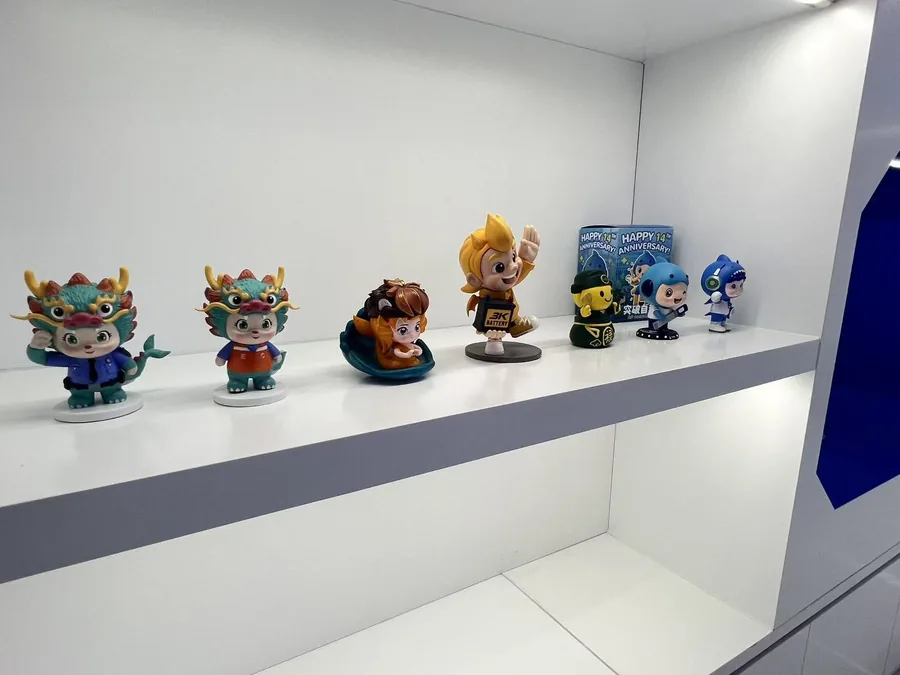
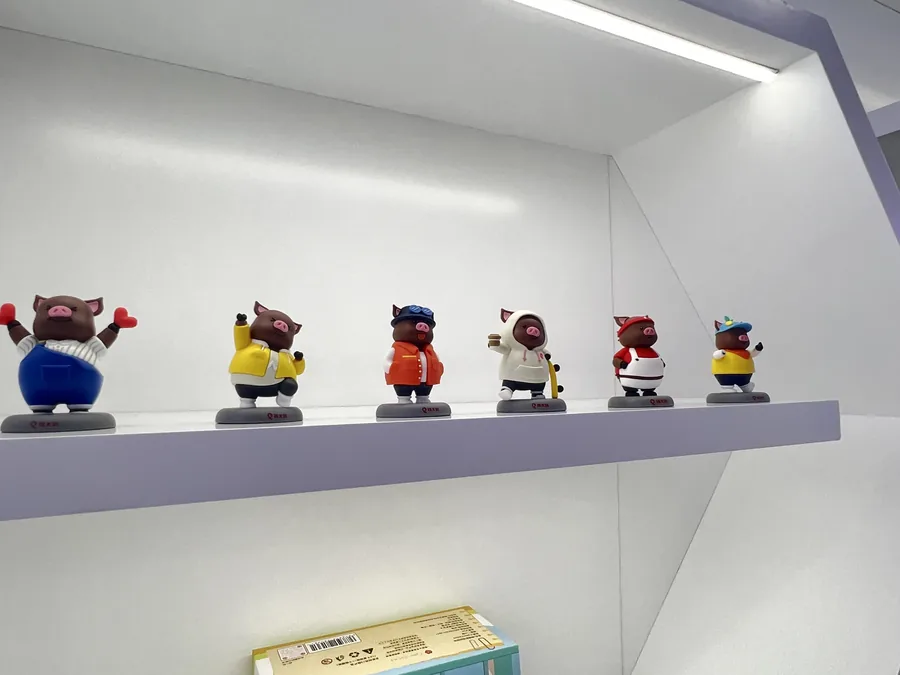
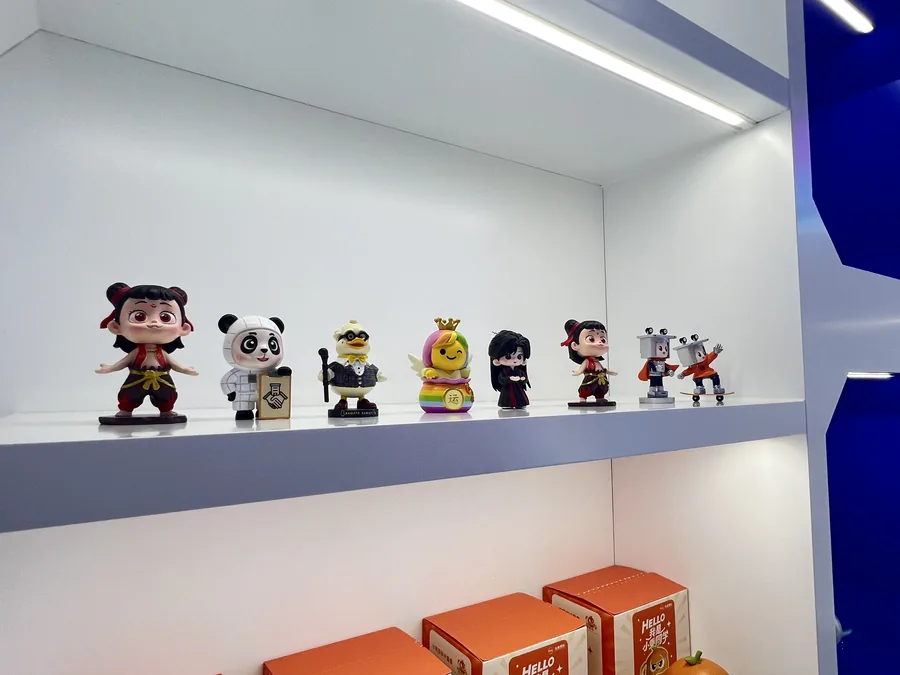
A front illustration does not fully define a three-dimensional figure. Share side and back references where available, plus finished size, pose, props, contact points, base footprint, visible branding, and the views that matter most.
The sculpt or model checkpoint should expose thin sections, balance, part lines, undercuts, small details, and areas that need adjustment before a physical sample is approved.
2.0
Use a physical sample to control the character
Character likeness, color, face placement, assembly, surface transitions, and base stability are easier to judge on a physical object than from a screen alone. Record the accepted sample and the corrections it contains as the production reference.
- Brand and campaign mascots
- Cultural and tourism collectibles
- Event and venue merchandise
- Retail character series
3.0
Plan the figure and packaging as one presentation
A tray, printed box, window, insert, label, and carton plan affect both protection and the buyer experience. Include the intended sales or gifting context, packaging artwork, quantity range, destination, and required labels in the same brief.